
Most SHS boards are not failing governance because they lack policy documents. They are failing because those documents sit in a folder no one opens between contract reviews. Effective SHS program governance means the board actively monitors contractual compliance, client safety and service quality through documented roles, regular oversight cycles and actioned improvement plans — not just at review time, but every quarter.
Start this week with six actions:
- Confirm board roles and delegated authorities are documented and current, aligned to Standard 11 of the WA SHS Standards.
- Build or update a compliance register that maps your service agreement obligations to review dates and responsible officers.
- Establish an evidence register listing where key documents live (policies, minutes, financial reports, client feedback, incident logs).
- Link your strategic plan to the program specifications in your jurisdiction — the Homelessness and Housing Support Guidelines 2025 (Victoria), WA SHS Standards, or the National Agreement on Social Housing and Homelessness (NASHH).
- Confirm VMS reporting is assigned, monitored and escalated to the board when targets are missed.
- Schedule board training on the Social Services Regulation Act 2021 (VIC), MARAM and the Opening Doors Framework before the next contract review.
These six actions are the floor, not the ceiling. The sections below explain how to build the full framework around them.
Key takeaways
Strong SHS program governance requires documented board roles, an active evidence register, regular monitoring against program specifications, and a board that treats compliance as operational oversight rather than periodic paperwork.
| Point | Details |
|---|---|
| Document roles and delegations | Every board role and financial authority must be recorded in a current register before a review. |
| Build and maintain an evidence register | Map each service agreement obligation to stored evidence and a responsible officer. |
| Monitor KPIs at every board meeting | Track service access, VMS updates, complaints, incidents and training completion quarterly. |
| Govern multi-agency intersections | Approve MARAM, NDIS and ACCO protocols formally and require training logs as evidence. |
| The Planning and Practice Hub | Supports SHS boards with governance reviews, compliance calendars and mock service reviews. |
What does an SHS governance framework actually cover?
SHS program governance spans six domains, each with mandatory evidence requirements your Contract Manager will check.
Board composition and roles covers documented position descriptions, committee terms of reference and delegated authorities. Service agreement compliance requires the board to monitor performance against program specifications and the relevant state SHS standards. Policy and procedure schedules need a documented review cycle — annually at minimum for high-risk areas. Risk and financial controls include budget oversight, asset registers, delegated financial authorities and audit reports. Record and data management covers client consent, data security, Vacancy Management System (VMS) updates and confidentiality protocols. Cultural safety and quality assurance requires evidence of Aboriginal Cultural Safety Framework implementation, ACCO partnerships and continuous improvement processes.
The DFFH compliance guidance is direct: organisations must maintain governance and management systems that demonstrate accountability and ongoing compliance with funded program requirements. That means the board needs to see evidence across all six domains at regular intervals, not only when a review is imminent. Queensland SHS provider requirements similarly require governing bodies to monitor compliance against program benchmarks to maintain funding eligibility.
The board should formally review the strategic plan and delegations annually, financial reports and incident registers quarterly, and the compliance register at every board meeting.
How should boards document roles, committees and performance?
Documented roles are the foundation of defensible governance. Without them, a Contract Manager has no way to verify accountability.
- Write position descriptions for every board role, including the chair, treasurer and any subcommittee leads. Each description should state the officer's authority limits and reporting obligations.
- Draft committee terms of reference for any finance, risk or quality subcommittee. These must specify meeting frequency, quorum, decision-making scope and how recommendations reach the full board.
- Document delegated authorities in a register that maps each decision type to the role authorised to make it. The delegations of authority guide from The Planning and Practice Hub sets out how to structure this for human services providers.
- Build a board workplan tied to contract review milestones: AGM, budget approval, service agreement renewal dates and program reporting deadlines.
- Run a board performance assessment at least annually. Use a structured self-assessment tool, document the results in board minutes and produce a short action plan for any gaps identified.
One board we worked with anonymously had no documented delegation below CEO level. When the Contract Manager asked who had authority to approve expenditure above $10,000, three different answers came from three different people. A single-page delegations register resolved the ambiguity within a fortnight and closed that review finding permanently.
Pro Tip: Treat the board workplan as a living governance calendar, not a once-a-year document. Tie every agenda item to a contract obligation or program standard, and the board will stop asking "why are we looking at this?" and start asking "what does the evidence show?"
What do monitoring, KPIs and evidence registers look like?
A Contract Manager reviewing your organisation will expect to see a dashboard the board actually uses. The fields below reflect what DFFH compliance guidance and the NSW SHS Program Specifications identify as core monitoring areas.
| KPI | Source evidence | Review frequency |
|---|---|---|
| Service access (presentations, exits, bed nights) | VMS reports, client management system | Monthly |
| Tenancy sustainment rate | Case notes, exit data | Quarterly |
| Client outcome measures | Outcomes Framework data, feedback surveys | Quarterly |
| VMS vacancy updates | VMS system log | Weekly/monthly |
| Complaints and incidents | Incident register, complaints log | Monthly |
| Workforce training completion | Training register | Quarterly |
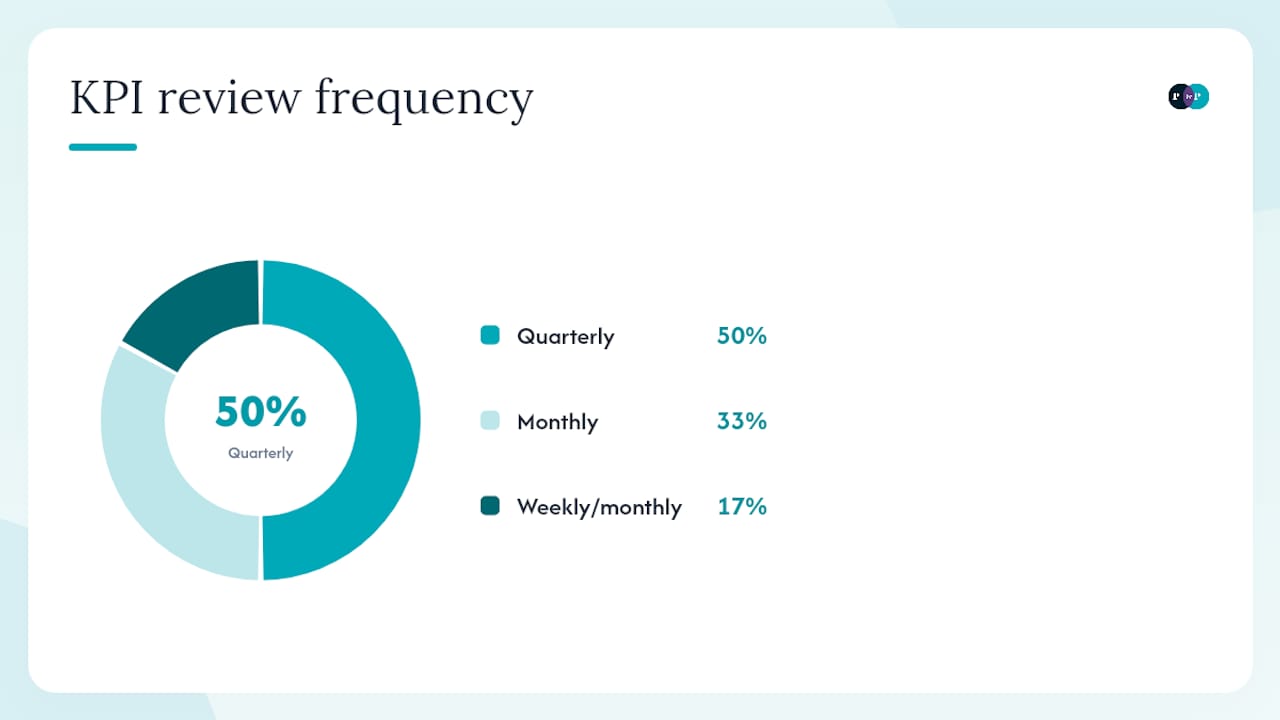
Your evidence register should record where each item is stored, who is responsible for it and when it was last reviewed. Policies, board minutes, action plans, financial reports, audit findings and client feedback mechanisms all belong in this register. Regulatory expectations are shifting from periodic reporting to evidence of integrated practice, including real-time information-sharing protocols and consent processes.
How do you govern the intersections with NDIS, MARAM, ACCOs and LASNs?
Multi-agency obligations are where governance gaps most often appear in reviews. The board needs to formally approve protocols and training requirements across each intersection.
- NDIS identification and referrals: the board must require documented organisational capability for identifying NDIS eligibility and coordinating with NDIA partners. Practice guidelines for SHSs utilising NDIS confirm that interaction levels vary with resourcing and service type, but the board-level obligation to build and monitor that capability does not.
- MARAM alignment: the board should approve a policy confirming the organisation's MARAM tier, staff training requirements and information-sharing scheme participation. Minutes must record this approval.
- ACCO partnerships: Victorian guidelines require SHS providers to work collaboratively with ACCOs and offer Aboriginal clients genuine choice. The board should approve a partnership protocol and receive an annual report on its implementation.
- LASN participation: DFFH service delivery guidance identifies LASN participation and VMS reporting as governance responsibilities the board must monitor.
- Information-sharing protocols: the board should hold approved protocols for the Child Information Sharing Scheme and Family Violence Information Sharing Scheme, with staff training logs as evidence.
The training log the board requires should capture: staff name, role, training completed, date, and competency confirmed. Boards that integrate NDIS, MARAM and cultural safety training into a single workforce development register reduce audit complexity considerably.
How do you prepare for a Department service review?
Preparation is a governance act, not an administrative scramble. Run a governance folder audit three months before any anticipated review: check that every required document exists, is current and is retrievable within minutes.

Common gaps found in reviews include missing or outdated delegation records, incomplete staff training evidence, and client feedback processes that exist on paper but show no analysis or response. The board's role is to require remediation timelines and track them to completion.
A short action plan template after any review finding should include: the finding, the required action, the responsible officer, the completion date and the evidence of completion. The board receives a status update at the next meeting and signs off when the item is closed.
A governance refresh that closed review gaps
A medium-sized SHS provider in regional Victoria had passed its previous review but received three advisory findings: no documented delegation below CEO level, a training register that could not confirm MARAM competency, and client feedback collected but never analysed. The board treated these as administrative matters and assigned them to the CEO without a follow-up mechanism.
When the next review approached, none of the three items had been fully resolved. The board chair engaged external governance support, ran a 90-day evidence audit and rebuilt the governance folder from scratch. A delegations register was completed in week two. A consolidated training register covering MARAM, NDIS identification and cultural safety was operational by week six. A client feedback analysis process, with quarterly board reporting, was approved and minuted by week ten.
The outcome was not just a clean review. The board chair reported that the organisation retrieved any requested document within five minutes during the review visit, compared to a previous experience of searching across three systems for over an hour. Overdue action items dropped from eleven to zero across the 90-day period.
Recurrent government expenditure on SHS in 2024-25 was $1.8 billion. At that scale of public investment, Contract Managers are not checking boxes — they are verifying that governance systems are genuinely operational.
What boards often get wrong about governance
The most persistent mistake I see is boards treating compliance as a documentation exercise rather than an oversight function. A policy register that is reviewed annually and filed away is not governance. Governance is the board asking: "What does our evidence show about how this policy is actually operating in practice?"
The shift that makes the real difference is connecting board oversight to frontline practice. When a board receives a quarterly report showing three unresolved MARAM training gaps and asks the CEO for a remediation date at the same meeting, that is governance working. When those gaps sit in a register the board never sees, that is risk accumulating quietly.
My specific recommendation for this quarter: run a 90-day governance evidence audit tied directly to your service agreement obligations. Map every obligation to a piece of evidence, identify what is missing, and assign a responsible officer with a deadline. Bring the results to the board before your next contract review, not after.
What would your board find if you ran that audit today?
The Planning and Practice Hub supports SHS boards with practical governance tools
Boards working through a governance refresh or preparing for a Contract Manager review often need more than a checklist. The Planning and Practice Hub works with SHS providers across Australia to build governance frameworks that hold up under scrutiny.
Typical engagements include a governance review against your service agreement and state SHS standards, a delegated authority framework your board can adopt immediately, a compliance calendar that maps every reporting obligation to a date and responsible officer, and a mock service review that identifies gaps before a Contract Manager does. Rachel Willis brings close to three decades of practical experience in Australian human services governance, and every output is built for your specific regulatory context.
If your board is preparing for a review or rebuilding its governance framework, contact The Planning and Practice Hub through the management consulting page to discuss your situation.
Sources
- Queensland government SHS provider resources
- Specialist Homelessness Services standards (WA)
- Program specifications and protocols | NSW Government
- Report on Government Services — homelessness services
FAQ
What is SHS program governance?
SHS program governance is the board-level system of oversight, documented roles, compliance monitoring and evidence management that keeps a Specialist Homelessness Services provider accountable to its service agreement, program specifications and state or national standards.
What documents does a Contract Manager check in a service review?
Contract Managers typically check board minutes, delegation registers, policy review schedules, financial reports, incident registers, training logs, client feedback records and action plans from previous reviews, as outlined in DFFH compliance guidance.
How often should an SHS board review its governance documents?
The strategic plan and delegations register should be reviewed annually; financial reports, incident registers and the compliance register should come to the board quarterly; the evidence register should be checked before every contract review.
What is the Vacancy Management System and why does it matter for governance?
The VMS is the reporting system SHS providers use to record and manage accommodation vacancies. The board must confirm that VMS updates are assigned, completed on schedule and escalated when targets are missed, as DFFH identifies VMS reporting as a governance responsibility.
When should an SHS board engage external governance support?
A board should consider external support when preparing for a contract review, after receiving review findings, when rebuilding a governance framework, or when the organisation's regulatory obligations span multiple frameworks such as NDIS Practice Standards, MARAM and the ACNC Governance Standards simultaneously.